
01
How it works
The workflow runs from one prompt to a Meta-ready ad set in 4 steps. Each step keeps the output testable, not just presentable, so the set is ready to earn its spend.
1Describe the product and angle
Tell StefanBrain what you sell and the angle you want to hit. No angle yet? Ask it to generate hooks and angles first, then pick the ones worth testing.
2Generate the concept set
The generator builds Meta-ready static concepts in minutes. Every concept is structured around testable hooks, angles, offers, and visual patterns, with layouts and crops handled.
3Review and iterate
Look over the set, swap a weak hook, sharpen the offer, or ask for variations. StefanBrain adapts to your feedback, so each revision pass gets faster.
4Push winners toward launch
Approve the concepts you want to run, then deploy them with bulk Meta publishing. Performance data flows back in, so the next set starts smarter.
02
A worked example: 3 creatine ads before lunch
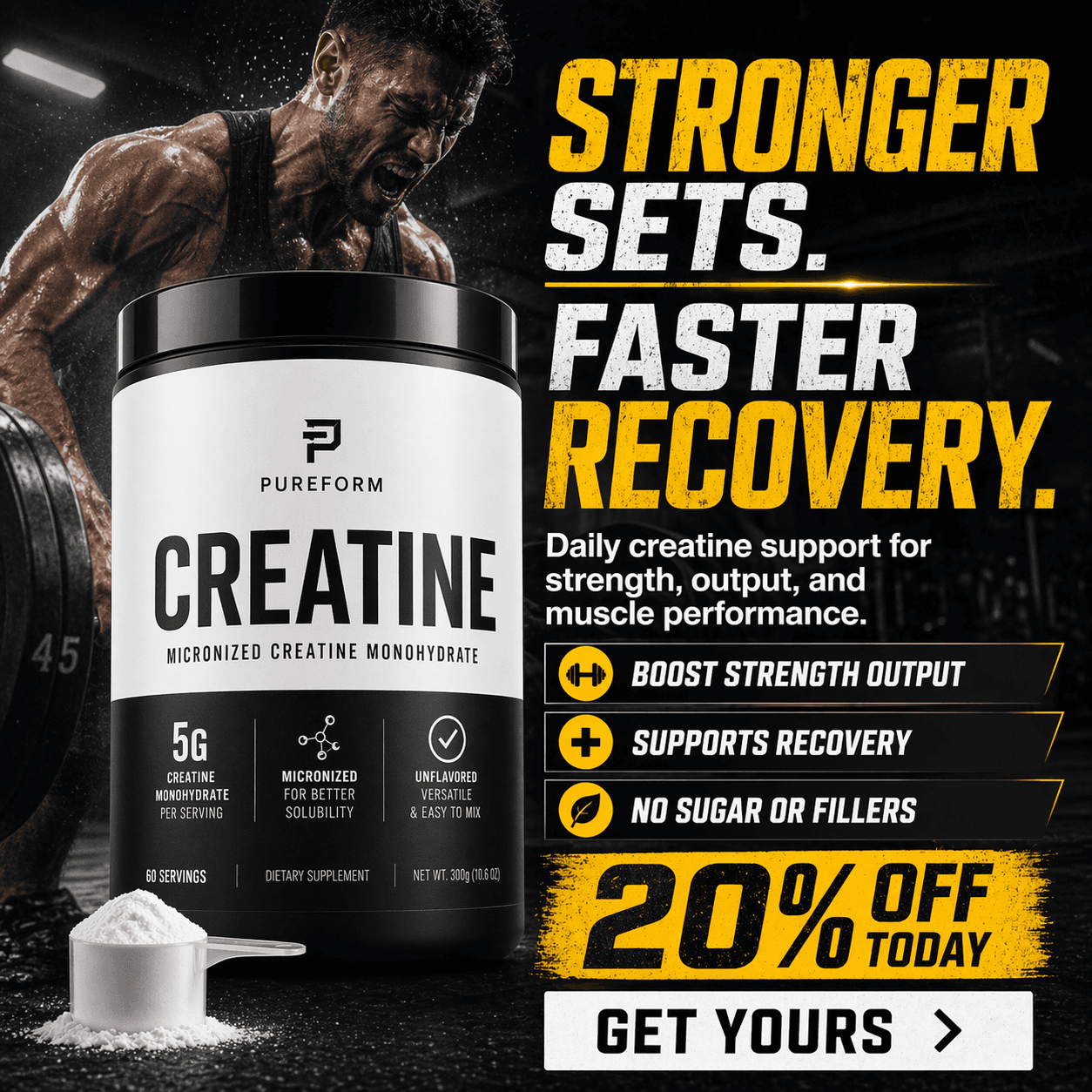
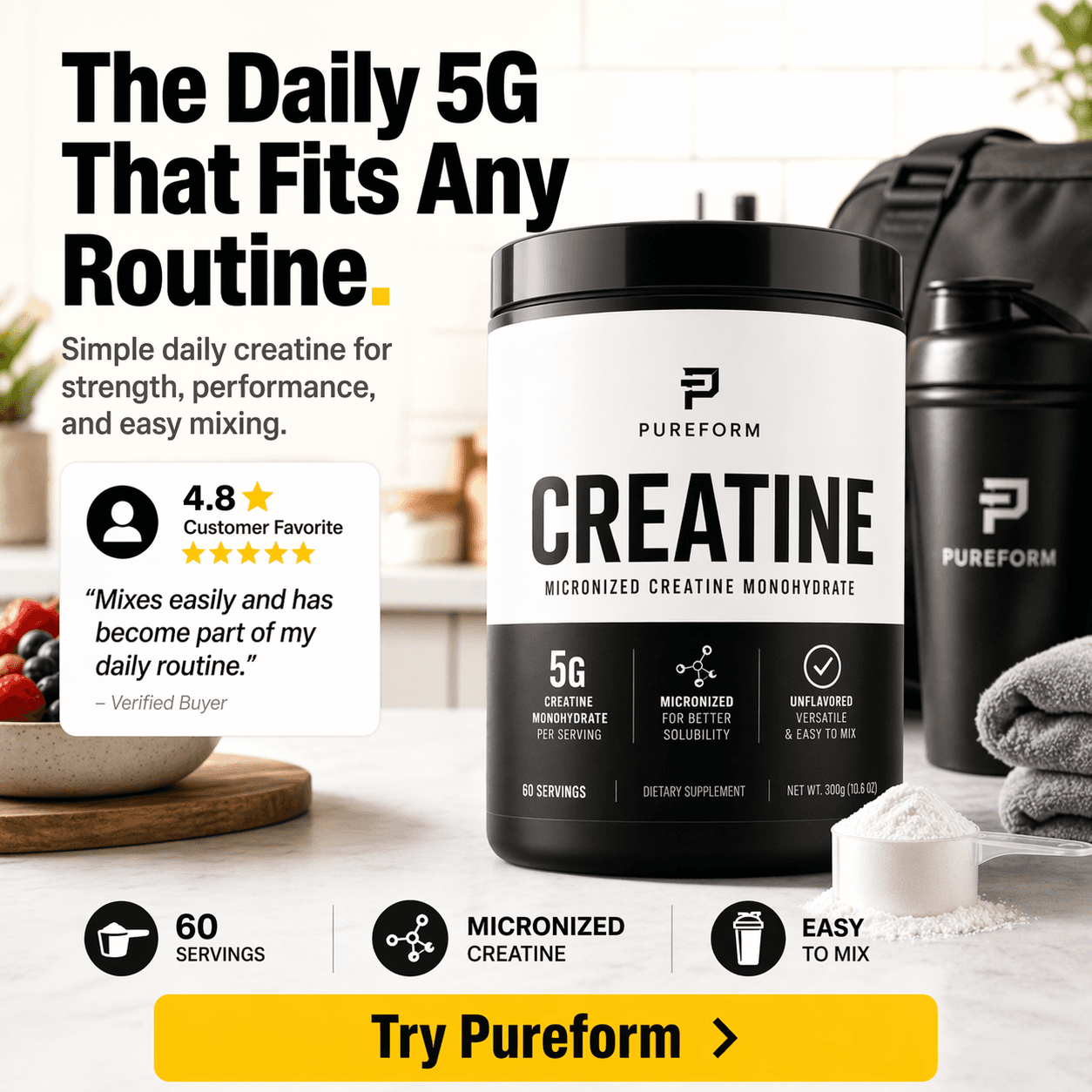
Picture a supplements brand that needs fresh static creative for its creatine offer. The media buyer writes one prompt: 3 Meta-ready creatine ads for daily gym routines, covering a clean product shot, a discount offer, and a lifestyle angle.
Minutes later the set is back, with each concept anchored to one of those angles. The clean product concept leads with the product itself. The offer concept pushes the discount. The lifestyle concept sells the daily routine.
That set would normally cost a design sprint: a brief, a queue, a revision round, a week on the calendar. Here it costs one prompt and a review pass. The buyer tightens the offer line, approves all 3, and moves them toward launch the same morning.
Teams working this way report generating and pushing ad creative in a fraction of the time it used to take. The bottleneck moves from production to judgment, which is where a media buyer's time should go.
03
Built for testing, not just making images
Plenty of tools can render an image. Far fewer produce ad sets that read as experiments. Every StefanBrain concept is structured around a testable variable: the hook, the angle, the offer, or the visual pattern.
That structure pays off at read time. When 2 ads differ by exactly one variable, the winner tells you why it won. When they differ by everything at once, the winner teaches you nothing you can reuse in the next round.
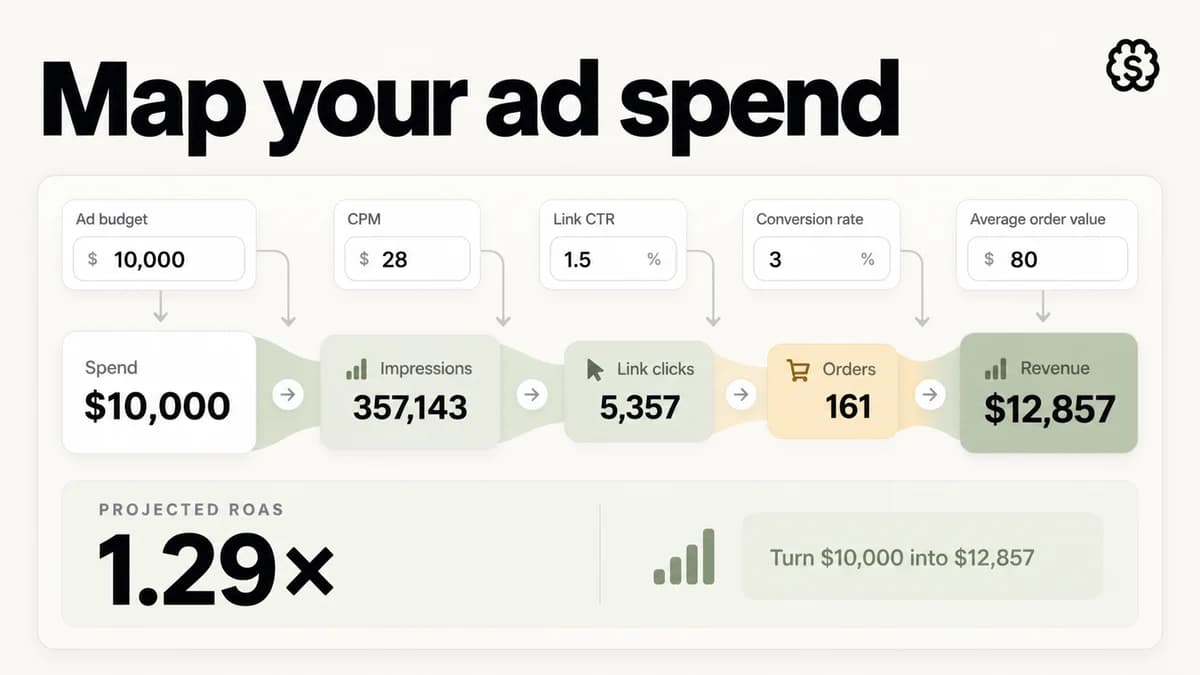
Before you launch, size the test with the Creative Testing Budget Calculator so each concept gets enough spend for a readable result. After it runs, put the numbers through the CPA Calculator to see what each concept actually paid per conversion.
04
Frequently asked questions
Are the ads really Meta-ready?
Yes, that is the design target. Concepts come with layouts and Meta-ready crops, built for review and launch rather than for a moodboard. You approve everything before it ships, and pushing to your ad account happens from the same system.
How many concepts should I test at once?
Test the number your budget can actually read, not the number the tool can generate. A common shape is 3 to 5 concepts with one variable each. The Creative Testing Budget Calculator works out what a readable result costs per concept.
Can it use my product photos and brand kit?
StefanBrain builds ads for your product, and it learns your brand, offers, approved creative, and performance patterns as you work. Outputs get more on-brand over time, so your fifth set fits your brand better than your first.
How fast is a set?
Minutes for a set of concepts, against a week for a typical design queue. Exact timing varies with set size, but the unit of work is one prompt, not one brief.
What makes a concept testable?
One deliberate variable. Each concept isolates a hook, an angle, an offer, or a visual pattern, so an A/B result maps to a single decision. That structure turns an ad set into an experiment instead of a coin flip.